Power Your Network and Your Infrastructure — Simultaneously
![]()
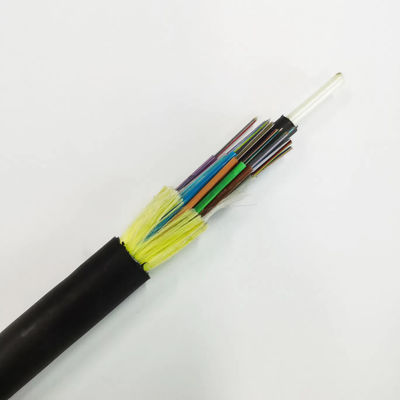
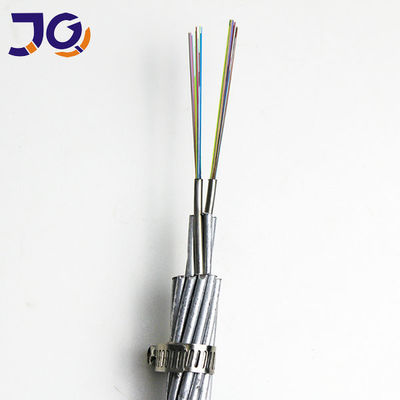
GDTA bybrid fiber cable with 2 copper conductors
![]()
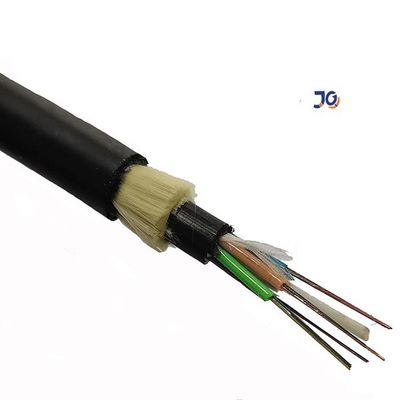
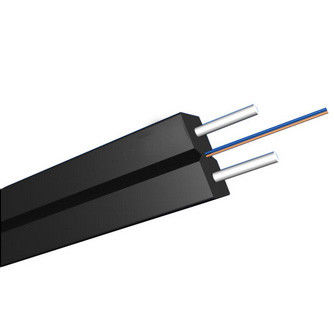
GDTS hybrid fiber cable with 2 copper conductors
![]()
GDTS hybrid fiber cable with 2*2.5MM² copper conductors
Technical parameter
| Code Name | Cable Cores | Diameter (mm) | Copper Wire (mm²) | Linear Mass (kg/km) | Tensile (N) Short Term | Tensile (N) Long Term | Crush (N) Short Term | Crush (N) Long Term | Bending Radius Short Term | Bending Radius Long Term |
|---|---|---|---|---|---|---|---|---|---|---|
| OPLC-2*0.5 | 6~24 | 10.0 | 2*0.5 | 125.0 | 1500 | 600 | 1000 | 300 | 20D | 10D |
| OPLC-4*0.5 | 6~24 | 10.0 | 4*0.5 | 130.0 | 1500 | 600 | 1000 | 300 | 20D | 10D |
| OPLC-2*0.75 | 6~24 | 10.0 | 2*0.75 | 128.0 | 1500 | 600 | 1000 | 300 | 20D | 10D |
| OPLC-4*0.75 | 6~24 | 10.0 | 4*0.75 | 135.0 | 1500 | 600 | 1000 | 300 | 20D | 10D |
| OPLC-2*1.0 | 6~24 | 10.0 | 2*1.0 | 130.0 | 1500 | 600 | 1000 | 300 | 20D | 10D |
| OPLC-4*1.0 | 6~24 | 12.0 | 4*1.0 | 150.0 | 1500 | 600 | 1000 | 300 | 20D | 10D |
| OPLC-2*1.5 | 6~24 | 12.0 | 2*1.5 | 140.0 | 1500 | 600 | 1000 | 300 | 20D | 10D |
| OPLC-4*1.5 | 6~24 | 12.0 | 4*1.5 | 160.0 | 1500 | 600 | 1000 | 300 | 20D | 10D |
| OPLC-2*2.5 | 6~24 | 14.5 | 2*2.5 | 180.0 | 1500 | 600 | 1000 | 300 | 20D | 10D |
| OPLC-4*2.5 | 6~24 | 14.5 | 4*2.5 | 195.0 | 1500 | 600 | 1000 | 300 | 20D | 10D |
| OPLC-2*4 | 6~24 | 14.5 | 2*4 | 210.0 | 1500 | 600 | 1000 | 300 | 20D | 10D |
| OPLC-4*4 | 6~24 | 14.5 | 4*4 | 240.0 | 1500 | 600 | 1000 | 300 | 20D | 10D |
Packing
![]()
FAQ
1. What is a Hybrid Cable (OPLC)?
It’s a single cable that combines low-voltage power lines and fiber optic cables, enabling simultaneous electricity transmission and high-speed data communication.
2. Can I install it like a regular power cable?
Yes. The power and fiber sections are structurally separate, so installation, routing, and termination are similar to standard low-voltage cables.
3. What voltage rating does it support?
It is rated for 0.6/1kV and below, making it suitable for low-voltage power distribution.
4. Do I still need separate conduits for power and data?
No. The hybrid design eliminates the need for separate wiring, reducing material costs and installation time.
5. Where is OPLC commonly used?
In smart grid systems, FTTH (fiber to the home), residential complexes, and buildings requiring both terminal power and fast internet connectivity.